


Buying a vessel on the Gulf Coast is exciting, but it rewards patience and careful review. For Fort Myers boat buyers, a clean shine at the dock should never replace an objective look at structure, machinery, systems, safety gear, and market value. A qualified Fort Myers marine surveyor can turn a pleasant showing into a practical decision, whether the need is a boat inspection Fort Myers appointment for a center console or a yacht survey Fort Myers review for a larger cruising vessel. Before money changes hands, a pre purchase boat survey or pre purchase yacht inspection helps reveal what the seller, broker, or casual walk-through may not show.
A thorough marine vessel inspection is not about finding perfection; it is about understanding risk. The findings should connect visible condition with likely repair costs, insurability, seaworthiness, and negotiating position. A well-organized boat survey checklist keeps the process from becoming a quick glance at cosmetics, especially during a used boat inspection Florida transaction where sun, salt, storms, and storage history all matter. The final report may support a boat valuation survey for smaller craft or a yacht condition and value survey when the asset, equipment, and onboard systems are more complex.
Structure, hull, and moisture concerns
The hull is the foundation of the purchase decision. A proper boat hull inspection looks at gelcoat cracks, previous repairs, blistering, bottom paint condition, through-hull fittings, tabs, strakes, keels, and signs of impact. On larger vessels, a yacht hull survey also considers fairing quality, laminate consistency, bulkhead bonding, stringers, deck hardware bedding, and stress patterns around high-load areas. These details can separate normal age from evidence of neglect or hidden damage.
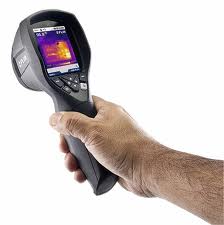
For composite vessels, fiberglass hull inspection is especially important because surface appearance can be misleading. Light checking may be cosmetic, while soft decks, hollow sounds, or suspicious repairs can suggest deeper issues. Boat moisture meter testing adds another layer of evidence by helping locate elevated moisture around decks, transoms, coring, hatches, and fittings. Readings must be interpreted carefully, but when combined with tapping, visual review, and access panel inspection, they help make the marine vessel inspection far more useful.
Engines, systems, and underway performance
Mechanical condition can have the largest effect on ownership cost. An engine inspection for boats should include visual checks for leaks, corrosion, belt condition, hose age, mounts, exhaust components, cooling systems, fuel delivery, oil condition, maintenance records, and operating temperature. Compression testing, computer diagnostics, or oil analysis may be appropriate depending on engine type, age, and purchase price.
An effective sea trial inspection shows how the vessel behaves away from the dock. The surveyor should observe starting, shifting, acceleration, steering response, vibration, trim behavior, operating rpm, temperature stability, and unusual odors or sounds. A boat may look excellent in the slip yet reveal alignment, cooling, propeller, or handling concerns once it is under load.
Electrical problems are another common source of expense and safety risk. A marine electrical system inspection should cover battery installation, cable sizing, bonding, shore power connections, breakers, panels, chargers, inverters, bilge pump wiring, navigation lights, and evidence of amateur modifications. Corroded terminals, unsupported wiring, overloaded circuits, and poor labeling can create problems that are frustrating at best and dangerous at worst.
Safety gear, insurance, and documentation
Beyond performance and appearance, safety equipment deserves close attention. A marine safety equipment check confirms the presence and condition of life jackets, fire extinguishers, distress signals, sound-producing devices, navigation lights, bilge pumps, carbon monoxide detectors, ground tackle, and required placards. The goal is not simply to satisfy a list, but to decide whether the vessel is ready for the way it will actually be used.
Insurance and financing often depend on clear documentation. A marine insurance survey may be required by an underwriter, particularly for older boats, higher-value yachts, or vessels with prior loss history. The survey report should be specific, readable, and supported by photographs, not vague statements. A dependable boat survey checklist also helps buyers compare findings against repair estimates, seller disclosures, and lender or insurer requirements.
How buyers should use the findings
A survey is most valuable when buyers treat it as a decision tool rather than a formality. In a used boat inspection Florida purchase, small defects can be expected, but patterns matter. Repeated corrosion, skipped maintenance, water intrusion, poor wiring, and weak documentation often say more than one isolated scratch or faded cushion. A seasoned Fort Myers marine surveyor can explain which findings are immediate safety concerns, which are maintenance items, and which may justify renegotiation.
For a smaller vessel, a focused boat inspection Fort Myers review may be enough to confirm condition and fair pricing. For a larger or more complex purchase, a yacht survey Fort Myers report should connect the hull, propulsion, electrical, plumbing, navigation, safety, and cosmetic findings into one practical view of ownership. When performed before closing, a pre purchase boat survey protects the buyer’s options, while a pre purchase yacht inspection gives room for further specialist evaluation if engines, rigging, generators, or electronics need deeper testing.
Value should be considered alongside condition. A boat valuation survey looks at comparable sales, equipment, age, upgrades, maintenance, and local market demand. A yacht condition and value survey goes further by weighing systems, presentation, machinery, inventory, and replacement costs. If major defects appear, the buyer can request repairs, adjust the offer, or walk away with confidence.
The best purchase decisions come from combining enthusiasm with evidence. Strong results from an engine inspection for boats, a clean marine electrical system inspection, and a confident sea trial inspection can support moving forward. Serious structural, safety, or moisture concerns may point the other way. Either outcome is useful, because the real purpose of marine surveying is to make sure the boat or yacht fits the buyer’s budget, plans, and tolerance for risk before the deal is final.